
“Stranger Things” was a modern phenomenon. In the midst of a very polarizing year, the TV show’s hypnotic nostalgia offered a sense of escape, transporting younger viewers into the world of their parent’s childhood. Much like “Harry Potter,” the series took on a personal role for many as the audience and actors grew up together. Some seasons and characters were divisive, but in general the world enjoyed the fruits of the Duffer brother’s labor.
But the recent closing chapter has set the internet ablaze. Some are steaming with the ending, expecting more deaths and individual character development. Some started red-string levels of conspiracies forming Conformity Gate, a viral theory that proposed Vecna had engineered the perfect reality portrayed in the epilogue.
Some joked about a decline in realistic dialogue, with too many epiphanies and group shots. It seems like a lot of the criticism over the ending is based on how it was played so safe. The allure created from Eleven’s mysterious origin and where she came from was so interesting because of how little it explained.
When explaining every detail of the villain’s story in addition to spending hours in his lair without a scratch, the writers effectively avoided any scary or interesting qualities that could have been part of the ending. It never felt like any of the characters were in any actual danger. “Stranger Things” isn’t the only show that fell victim to this, “Game Of Thrones” coined the term “plot armor” and “The Walking Dead” fell to the same protagonist fatigue.
The quality that these shows have that escapes your average viewer is the sheer load of cash that plays into fan service and brand longevity. The “Jurassic World” trilogy, while criticized by longtime fans for its excessive deviation from the core aspects of the show, made over $4 billion globally. And these examples are countless; The “Star Wars” sequel trilogy made $4.4 billion; Disney’s live action remakes made over $7 billion; The “Fantastic Beasts” prequels made $1.8 billion; and the list goes on…
The criticism of the story’s integrity seems worthless to these people as long as the cash cow is getting a good milking. It’s important to realize that not everyone’s going to be happy with the result, and when directors start prioritizing the true vision of the story along with that philosophy, change is possible.
A creative and wonderful example of this is “Barry,” a show in which SNL actor Bill Hader created, wrote, directed, and starred in. Hader poured his heart into this dark comedy, which concluded with four seasons. It’s a story of an ex-military hitman that finds his purpose through an acting class in Los Angeles. Barry could have been a lovable character, but co-creator Alec Berg and Bill Hader intentionally increased his irredeemable qualities, forcing the audience to come to terms with the main character’s flaws.
This is a tactic used in many of the best shows ever made, most notably through stories in “Breaking Bad” and “BoJack Horseman.” It’s often more interesting and engaging to watch a character come to terms with their own morality than follow a cookie cutter script because it’s not about the viewer anymore, and that does wonders for immersion because we’re not perfect. Being able to relate to a complicated character is one of the most fulfilling things to witness in the art of film.
“Barry” ended at season four because that’s where the story naturally ended. Sure, it’s leaving possible millions on the table, but maintaining integrity creates a palpable tension that is more satisfying. Think of it as the spinning top at the end of “Inception.” That story would have been ruined had the question of whether the dream had ended been answered. In “Barry,” major characters sometimes died in comically simplistic ways, which gives more value to tense situations because anyone could be next on the chopping block. There was no epiphany for Barry, he made mistakes, no matter how bad he wanted to change. And for many that will make things seem off, but that subversion of expectations will always be better than a safe bet. In an interview with Slashfilm, Hader noted, “I’ve done fan service, and the show immediately spits it out.” He tried it, and knew it couldn’t work.
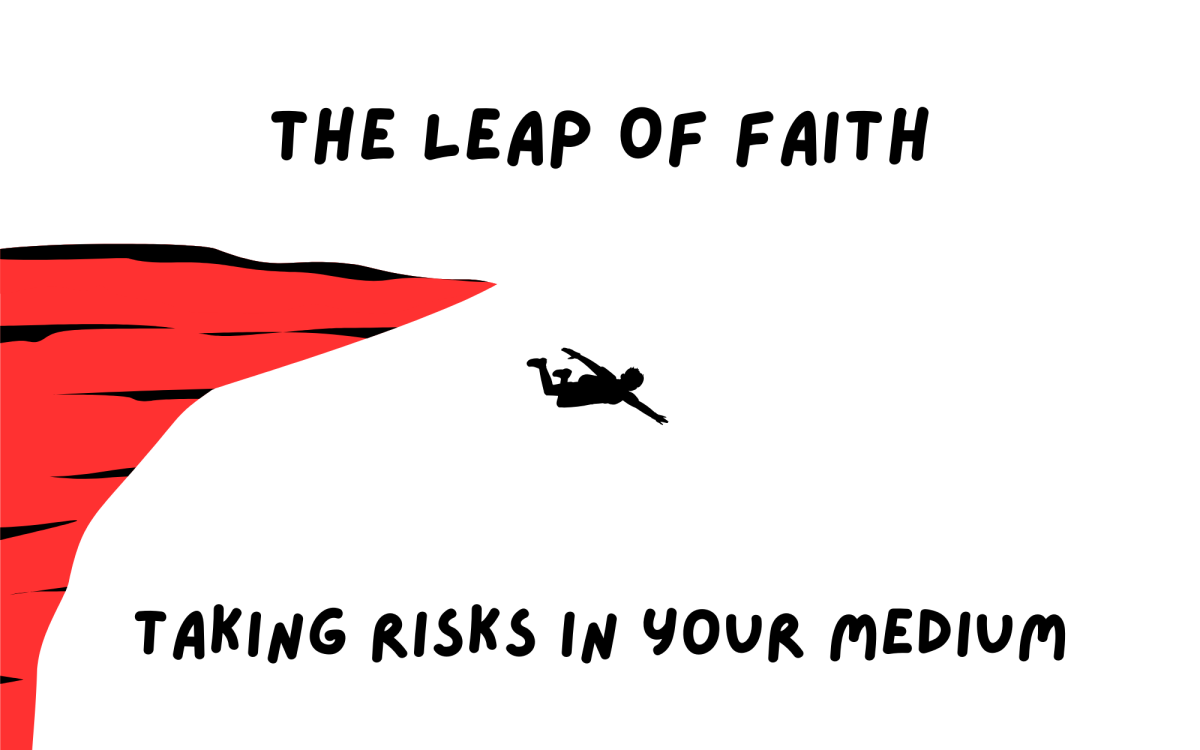
The industry at large just isn’t okay with taking those risks anymore, and that’s not okay. Film should be breaking boundaries, not drawing in the lines. Film, just like any art form, is free to be as ugly as it wants to be and that’s what’s so gorgeous about it.